Academic Integrity
Clinton College does not condone academic dishonesty; it expects all students to maintain high ethical standards in all of their coursework. Actions that Clinton College considers violations of the Academic Dishonesty Policy include:
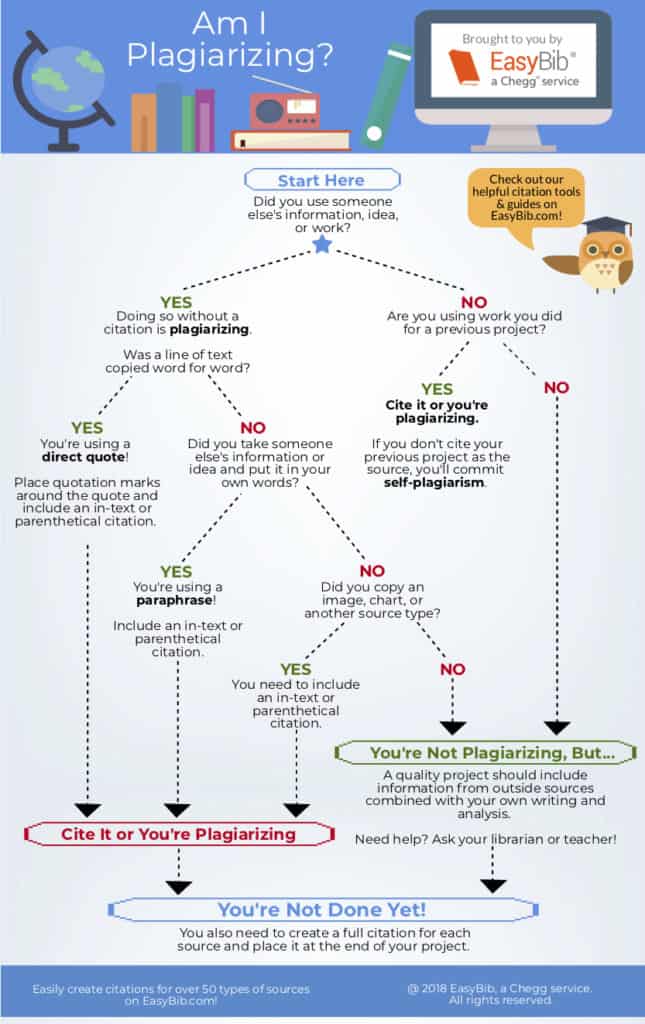
- Plagiarism: Plagiarism is stealing another person’s words or ideas and passing them off as your own. When a student puts his or her name on a paper or report or any work assignment at Clinton College, he or she is declaring ownership of the work. The student is saying that he or she has written the work and that the words and ideas contained therein are his or her own, except for the citations from outside sources, which must be documented.
- Cheating. Cheating includes using materials, resources, or other methods during the course that are not authorized or are not the student’s own work. Copying another student’s work, whether it is a homework assignment or an examination, is considered cheating. Working together to complete an assignment to be submitted is also cheating, although this does not necessarily apply to group projects assigned by the professor of a course. Sending or arranging for another student to take any graded exercise, quiz, or exam, as a substitute for himself or herself or the student providing information to another student during a graded exercise will be considered a violation of Academic Integrity.
- Fabrication/Falsification. The deliberate creation of non-existent data or results is considered fabrication. Falsification involves changing of data. This also includes students signing attendance rolls for one or more students who are not present.
Students found guilty of violating Academic Integrity may be subject to a number of penalties.
CLINTON COLLEGE 2021-2023 ACADEMIC CATALOG (page 23)